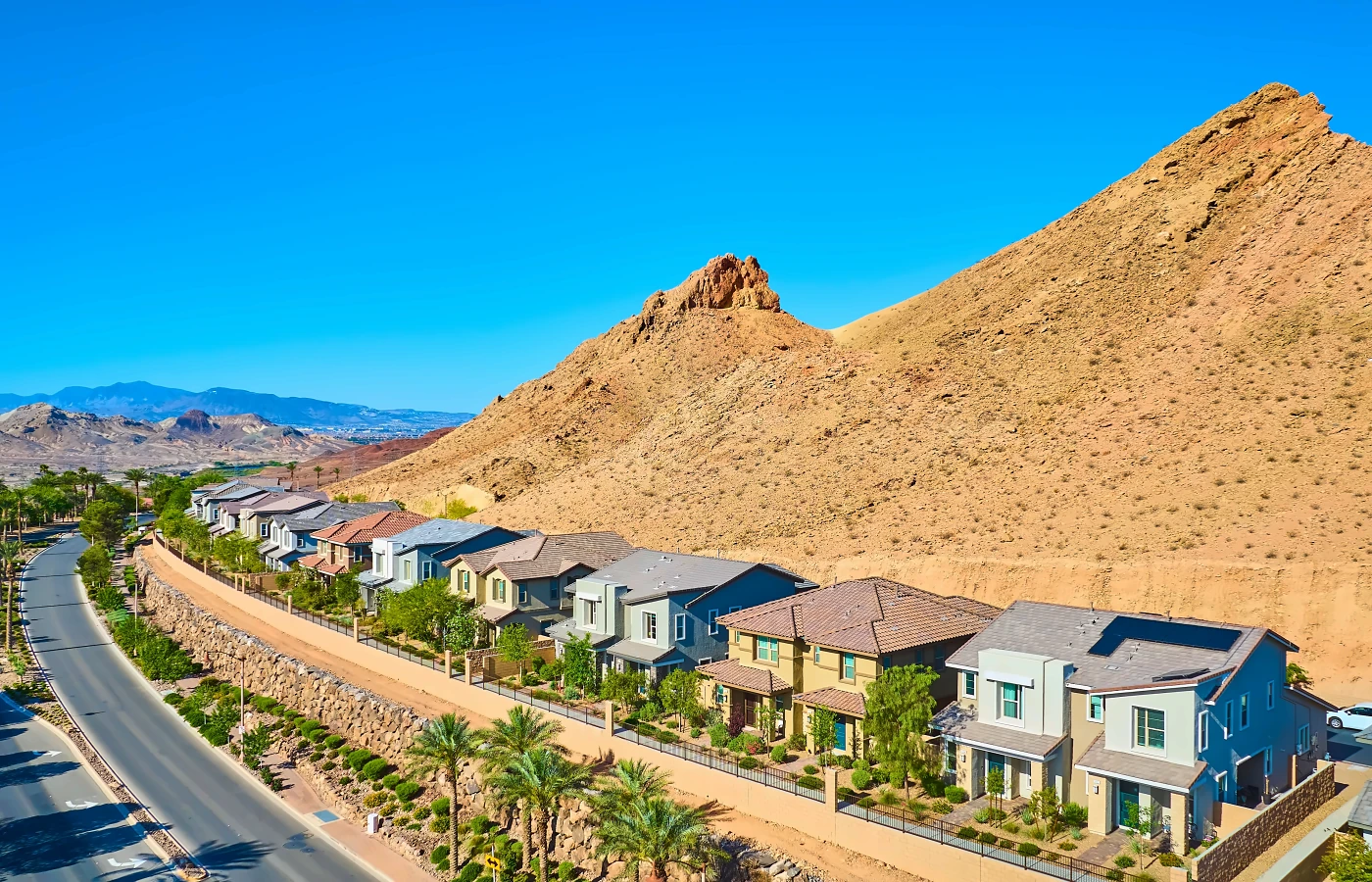

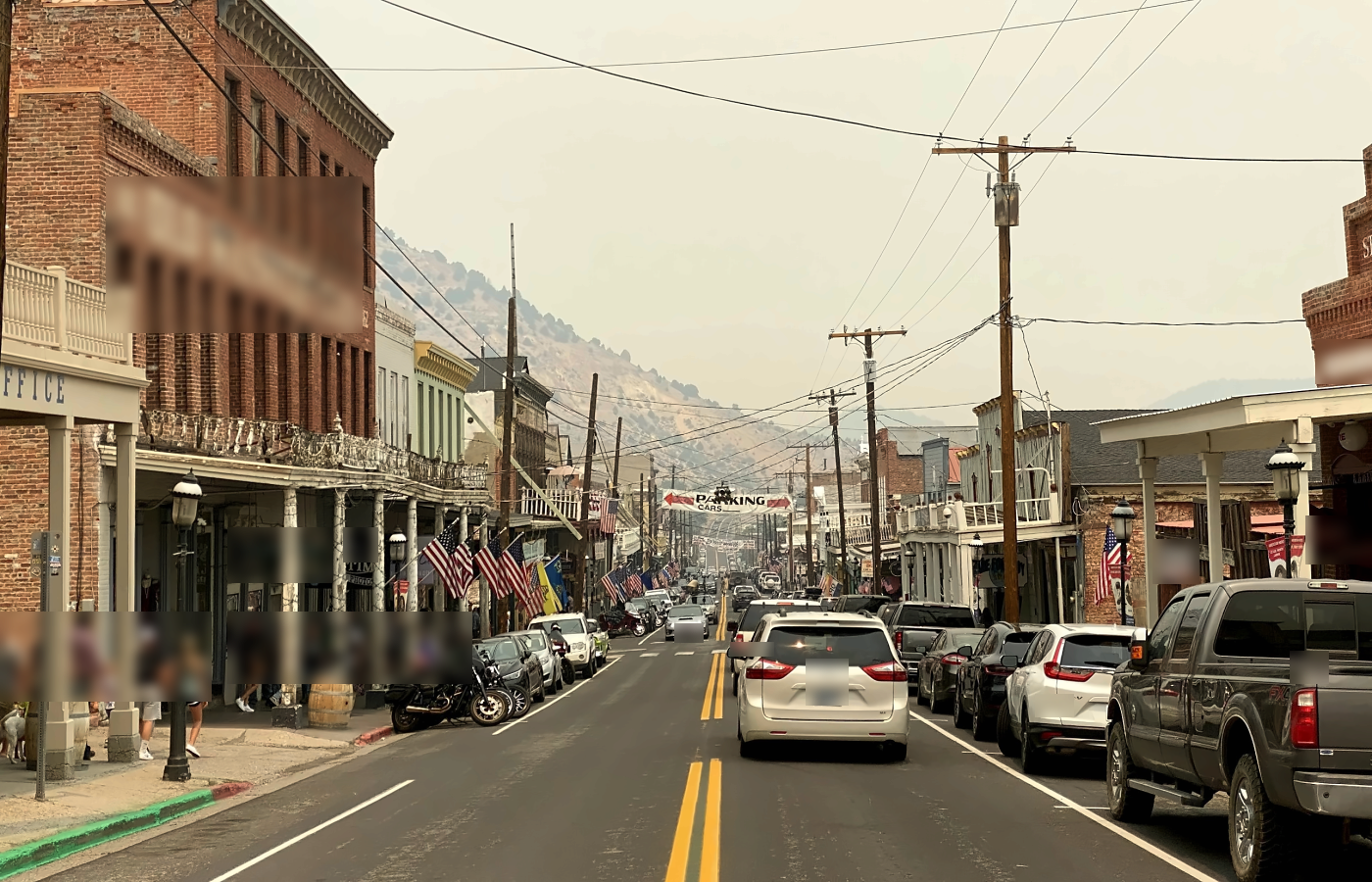
A home search usually starts with a price range and a bedroom count. In this valley, the age of the neighborhood shapes the result as much as either of those. Weighing older vs newer homes in Las Vegas is really a question of what you want the money to buy: land and location, or newer systems and fewer early repairs. Neither is the right answer for everyone, and the trade only becomes clear once you look past the list price.
I show buyers both, often in the same week, because the comparison is more useful side by side than in theory. Here is how the two tend to differ on price, lot size and upkeep, and what I look at on either kind of home before anyone writes an offer.
What You Are Actually Paying For
Two homes at the same price can be buying very different things. The useful question is not which one is cheaper, but what each price includes, and what it leaves for you to pay later.
Older Neighborhoods: The Lot, the Location and the Age of the Systems
In the established parts of the valley, closer to the core and in areas like Green Valley in Henderson, part of what you pay for is position. These neighborhoods were built when the land around them was still open, so lots tend to be larger and the trees have had decades to grow.
What the price usually does not include is new equipment. The air conditioning, water heater, roof underlayment and plumbing may be original or partway through their working life. That is not a defect. It is a cost you take on, and it belongs in the budget from day one.
Newer Edge Subdivisions: Warranty, Efficiency and the Extra Line Items
On the newer edges of the valley, the price buys recent construction. Systems are new, the home was built to more recent energy codes, and a new build or a recent resale may still carry some builder warranty coverage. Early repair costs are usually lower.
The trade sits in the monthly figure. Newer master-planned areas are more likely to come with HOA dues, and some carry a special improvement district assessment as well. Both belong in the comparison, alongside the mortgage, tax and insurance.
Lot Size, Layout and How the Home Sits on the Land
Lot size is where the two differ most visibly. Newer subdivisions tend to fit more homes onto less land, so builders often reach the square footage by going up a floor rather than out. You may get the same interior space on a smaller lot, with block walls close on both sides and a compact backyard. In older neighborhoods, single-story layouts on wider lots are more common, which leaves room for a pool, a workshop or side-yard parking for a trailer or RV.
The rules on that land matter as much as its size. An HOA may limit what you can park, build or plant, while a home outside an HOA leaves those decisions largely to the city or county codes. If you have something specific in mind, such as a pool, a casita, solar or a boat, check the rules for that exact property before you fall for the floor plan.
Upkeep: Where the Money Goes After Closing
The purchase price is only the first number. What you spend in the first few years tends to follow the age of the home, and the pattern is predictable enough to plan for.
Older Homes: Roofs, Cooling, Plumbing and Grass
Concrete tile roofs are common across the valley, and the tiles themselves last a long time. The underlayment beneath them wears out sooner, and on an older home it may be due. Cooling systems work hard here, so the age of the AC unit matters more than it would in a milder climate.
Plumbing is worth a specific question. Some homes built in the 1980s and early 1990s were plumbed with polybutylene pipe, and an inspector should confirm what is in the walls. Grass lawns are also more common in older yards. They cost water and maintenance, and the Southern Nevada Water Authority offers a rebate program for converting grass to desert landscaping, so that is worth looking into.
Newer Homes: Warranty Claims, Landscaping and HOA Rules
On a new build, the early work is mostly paperwork and follow-up. Keep a list from the final walkthrough, know what the builder’s warranty covers and for how long, and report items within the windows it sets. Young landscaping needs time and irrigation to establish.
HOA rules are an ongoing part of ownership, from paint colors to what can sit in the driveway. And if the home has solar panels, find out whether they are owned or leased before you buy, because a lease transfers with obligations of its own.
What I Check on Either Kind of Home
The questions differ slightly by age, but the routine is the same. These are the points I go through before an offer, or during the contingency period at the latest:
- Major systems. The age of the AC, water heater and roof underlayment, with the inspection report confirming what the seller’s disclosure says.
- Plumbing material. Especially on homes built in the 1980s and early 1990s.
- The full monthly cost. Mortgage, tax, insurance, HOA dues and any special improvement district assessment.
- The HOA resale package. Dues, rules and any restrictions on parking, rentals or improvements.
- Builder warranty. What coverage remains on a newer home, and what transfers to a second owner.
- Solar status. Owned outright, financed or leased.
- Landscaping. Grass or desert, and what it costs to water and maintain.
- The city line. Which city or county the home sits in, since that decides who handles permits, codes and services.
Compare Older vs Newer Homes in Las Vegas on Real Numbers
The fairest way to choose is to put one older home and one newer home next to each other and add up what each costs to buy, own and maintain. I do that with buyers as part of the search, and the Buyer’s Guide shows where it fits. If you are buying to rent, the age of the home changes the maintenance plan as well as the purchase price, which is where the property management side picks up.
Selling an older home? The Seller’s Guide covers what is worth fixing before you list and what is not. If you are deciding between older vs newer homes in Las Vegas, tell me your budget and the areas on your list, and I will line up a fair comparison. I work in English, Nepali, Hindi and Urdu.